
Massage guide
What to expect at your first massage
What usually happens at a first massage appointment, from arrival and consultation through to aftercare.
Before you arrive
Read the service description and any arrival notes on the listing. Leave time to check in, and mention injuries, pregnancy, medication or accessibility needs when you book or when you arrive.
Wear something you can change out of easily. Most practices provide towels and draping; you should not need to guess what to bring unless the listing says otherwise.
During the appointment
A first visit usually includes a short conversation about what you want from treatment, the area to be worked on, pressure and draping. You can ask the practitioner to change anything that does not feel right.
Pressure should feel productive, not bruising. Say if you want less pressure, a different area, or a quieter session. A good practitioner will check in rather than working through a script.
Afterwards
Drink water if you usually would, notice how the area feels later in the day, and follow any aftercare the practice gives you. Mild tenderness can happen after firmer work; sharp pain, dizziness or a marked flare is a reason to contact the practice or an appropriate healthcare professional.
Use your confirmation if you need to change a future appointment.
How to prepare
- Arrive a few minutes early so the consultation is not rushed
- Mention new injuries, recent surgery, blood-thinning medication or pregnancy
- Remove jewellery from the area being treated if you can
- You can keep underwear on; draping should protect your privacy
Comfort, draping and saying stop
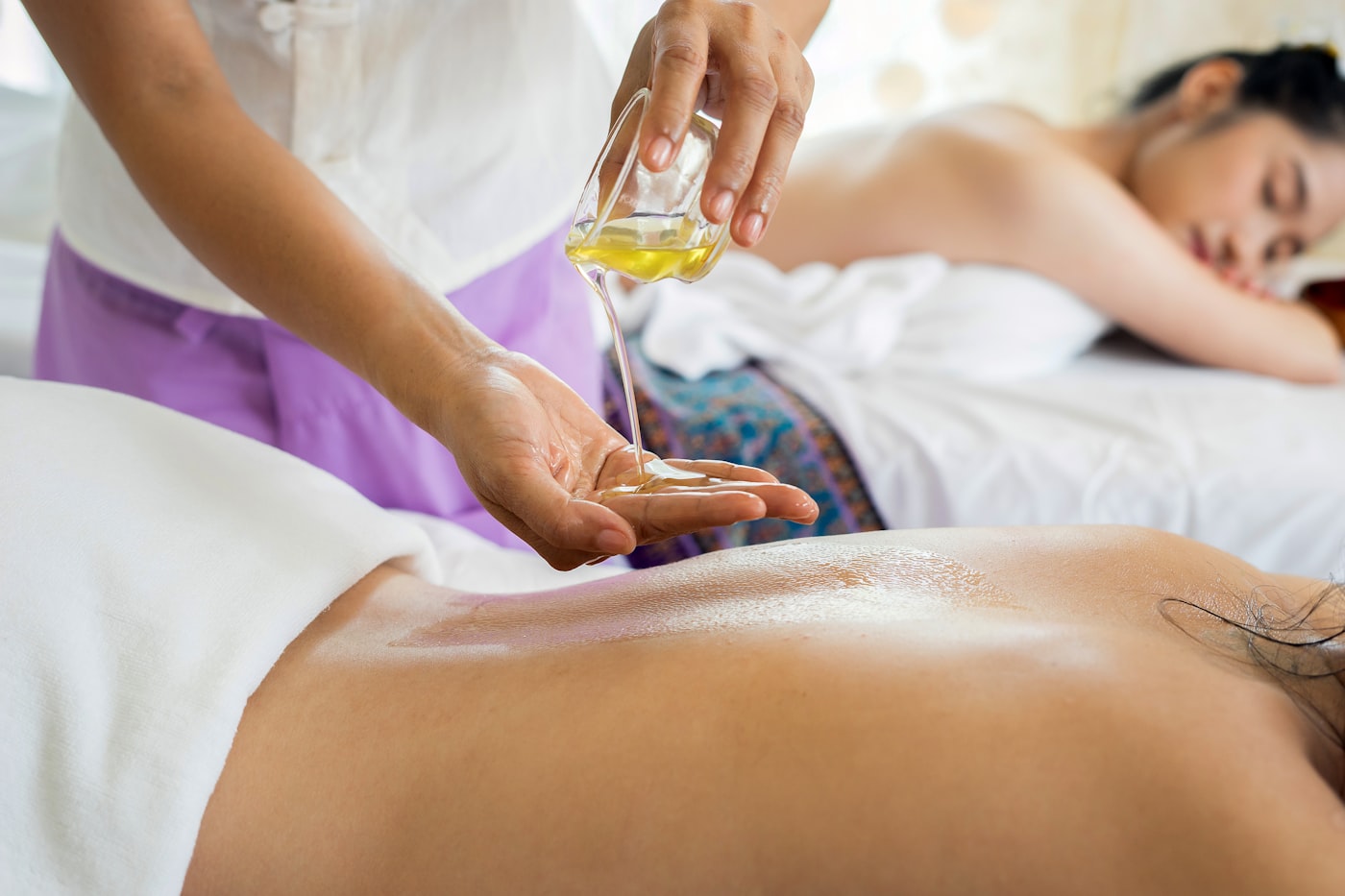
You are in control of the session. Ask what will be undraped, whether oil or wax is used, and whether you can keep talking to a minimum. If anything feels off, say so immediately — the appointment can be adapted or stopped.
WellNear guides provide general information to help you compare services. They are not a substitute for personalised medical advice, diagnosis or treatment.
Continue exploring
How to choose the right massage treatment
Sports, deep tissue or restorative — start with what you want to feel afterwards, then look for a named practitioner and a real next time.
Questions to ask a massage therapist
A short list of questions that help you check whether a treatment and practitioner are the right fit.
Sports massage or deep-tissue massage?
The names overlap. Use the practice’s own description of pressure, focus and who the treatment is for.