
Massage guide
How to choose the right massage treatment
Understand the differences between common massage treatments, what they may help with and what to consider before choosing a practitioner.
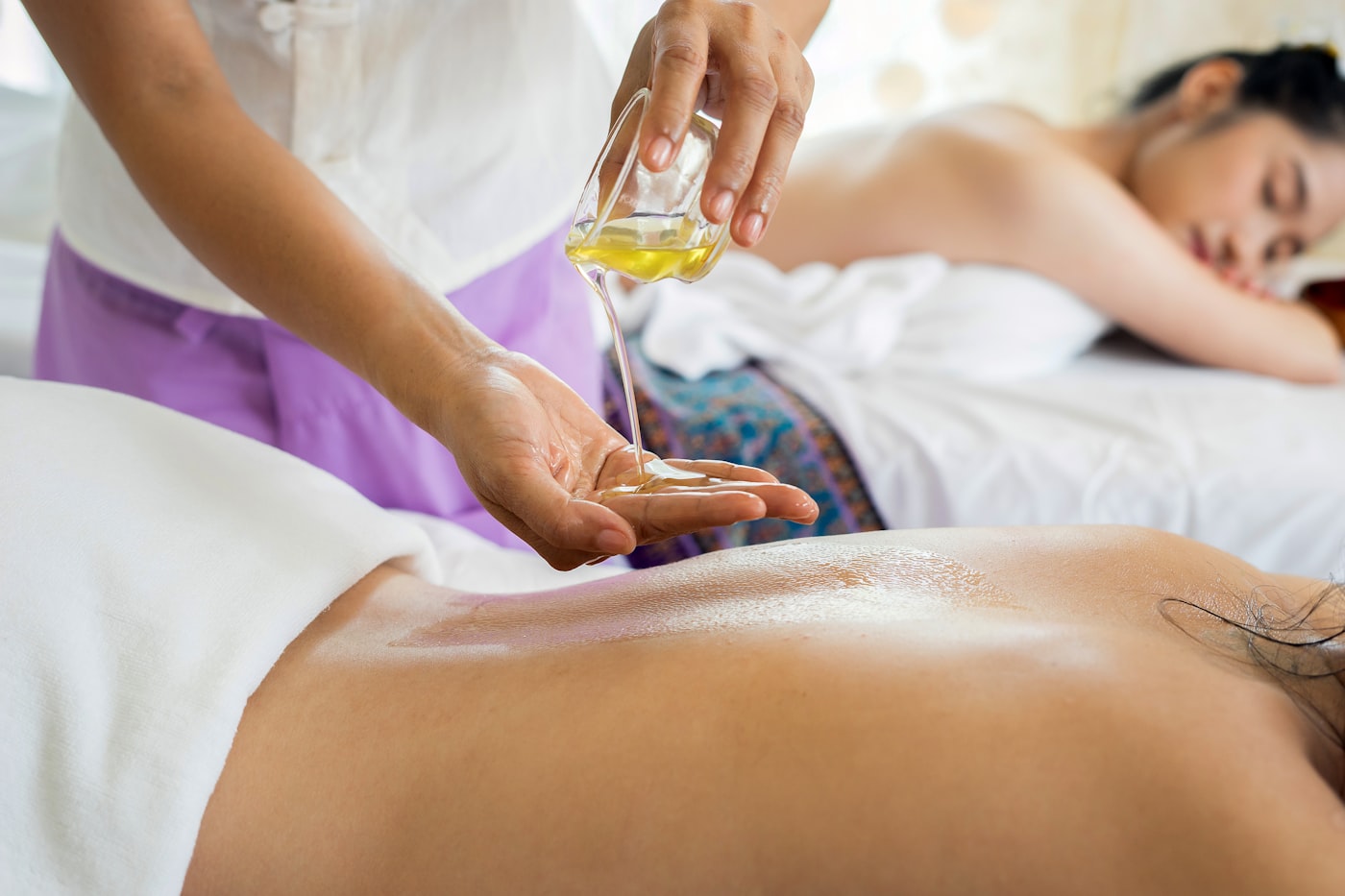
Start with what you want from treatment
A useful starting point is the outcome you want, rather than a treatment name. You might be looking for relaxation, help with muscular tension, recovery following exercise, support for recurring discomfort, or a gentler restorative experience.
Choosing a massage on WellNear is not a diagnosis. If you are unsure what is appropriate, ask the practitioner before you book or seek advice from an appropriate healthcare professional.
Compare common massage treatments
Names vary between practices. Use the service description, duration and any notes about pressure or who the treatment is for, not only the title.
Swedish or relaxation massage
Typical style: Flowing, generally lighter to medium pressure.
Why people commonly choose it: People often choose it to unwind, reduce everyday tension and enjoy a calmer session.
Pressure or intensity: Usually gentle to moderate.
Consider: Ask if oil or lotion will be used and how draped the session is.
Deep-tissue massage
Typical style: Slower work aimed at tighter or deeper areas of muscle.
Why people commonly choose it: Often chosen for persistent tightness rather than a purely relaxing treatment.
Pressure or intensity: Firmer. It should still feel controlled, not bruising.
Consider: Tell the practitioner if pressure becomes too much.
Sports massage
Typical style: Treatment focused on movement, training load and recovery.
Why people commonly choose it: Common before or after sport, or when a specific area keeps tightening with activity.
Pressure or intensity: Varies with the goal of the session.
Consider: It is not a substitute for assessment of a new or worsening injury.
Hot-stone massage
Typical style: Warmed stones used with massage techniques.
Why people commonly choose it: Some people find the heat soothing as part of a relaxation treatment.
Pressure or intensity: Usually moderate, with heat as the main extra element.
Consider: Mention any heat sensitivity, circulation concerns or recent injury.
Pregnancy massage
Typical style: Adapted positioning and techniques for pregnancy.
Why people commonly choose it: Chosen for comfort and easing common pregnancy-related tension, where appropriate.
Pressure or intensity: Typically gentler, with side-lying or supported positions.
Consider: Use a practitioner experienced in pregnancy massage and follow their screening questions.
Choosing the right practitioner
Look for a clear service description, relevant experience with the treatment you want, and transparent pricing. A consultation or screening questions before treatment are a good sign, especially if you have an injury, health condition or accessibility need.
Comfort and professional boundaries matter. You should be able to say if pressure, draping or conversation is not working for you. Where a practice publishes appointment times on WellNear, you can also compare genuine availability.
- Relevant qualifications and experience with the treatment requested
- Clear service descriptions and session length
- Whether a consultation is offered
- Transparent pricing
- Accessibility information and professional boundaries
- Genuine appointment availability where provided
Questions to ask before booking
- Is this treatment appropriate for what I need?
- What pressure or techniques do you normally use?
- How long is the appointment?
- What should I wear or bring?
- Are there any reasons I should postpone treatment?
- What is your cancellation policy?
When massage may not be suitable
Massage may not be appropriate in every situation. Tell the practitioner about relevant injuries, health conditions, recent surgery, pregnancy, medication or changes in your health before treatment. If you are unsure whether massage is suitable, seek advice from an appropriate healthcare professional.
Find a massage treatment near you
Explore local massage practices, compare the information they provide and view appointments where online booking is available.
WellNear guides provide general information to help you compare services. They are not a substitute for personalised medical advice, diagnosis or treatment.
Continue exploring
What to expect at your first massage
From arrival and a short consultation through to aftercare — what a first massage appointment usually involves.
Sports massage or deep-tissue massage?
The names overlap. Use the practice’s own description of pressure, focus and who the treatment is for.
Questions to ask a massage therapist
A short list of questions that help you check whether a treatment and practitioner are the right fit.